A founder story · Marcus Brauer
From crowded shelves to a catalogue people can explore.
I collected and sold for years. As stock grew, keeping track of what I owned, where it was and what was ready to sell became a job of its own. JARVIS gave me a way to work through that problem.
Explore the live sale catalogue →The inventory story
The find is only the beginning.
For a thrifter or reseller, finding an object is exciting. Then come the photographs, identification, condition notes, research, an asking price, storage, the ad and, eventually, finding the object again when somebody buys it.
I wanted those steps connected. My JARVIS workflow keeps an item’s record with its source photographs, notes, price decision, location and sales state. Want lists help me remember what to look for; swap lists help me see what I’m willing to exchange. Location labels and pick lists are meant to tell me which room, shelf, box or binder to open when it is time to pack an order. Sales records keep the buyer-facing ad separate from my private research and costs.
That is the kind of practical help I mean by an expert on your shoulder: a useful question at the thrift-store table, followed by a record you can still use months later.
1,991records returned by the public Under Pressure Antiques catalogue on 28 September 2026; 1,990 were marked available and one payment pending. The storefront began on 9 September—roughly three calendar weeks earlier. This is an owned-site snapshot, not a claim that every physical item has been catalogued or posted to outside marketplaces.
For book sellers
The foreign-language library that waited on my shelves.
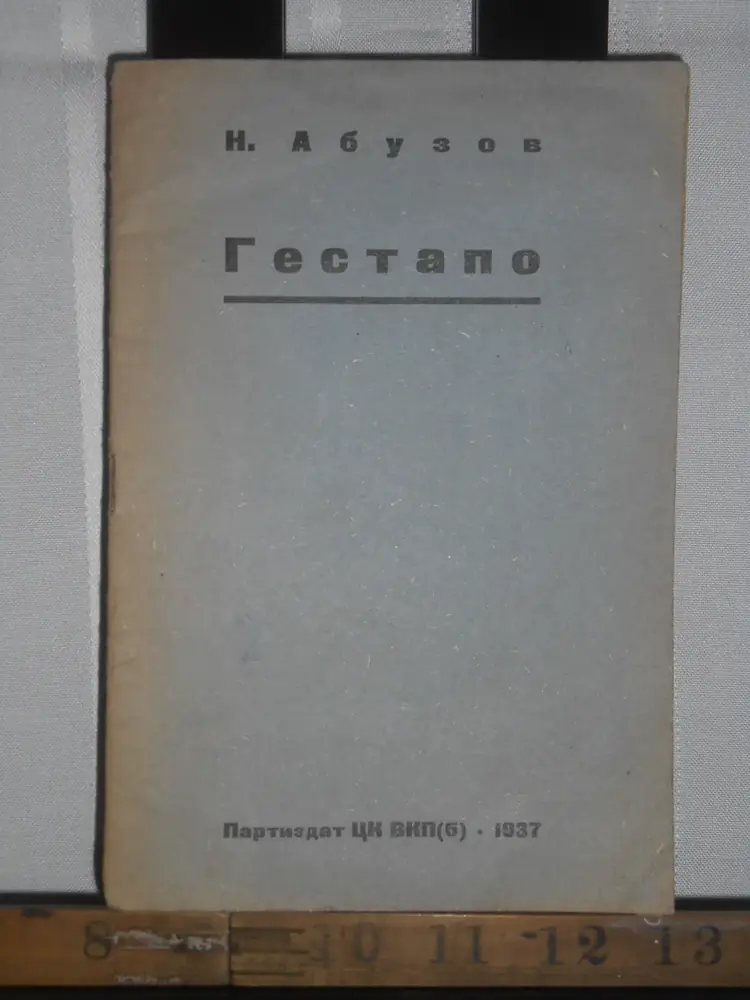
Years ago I acquired a large foreign-language library from a Franciscan monastery collection in Montréal. Many volumes sat unresearched and unpriced, taking up space because each book needed its own identification, description and decision.
JARVIS helps me turn that backlog into work I can manage: photograph the cover and title page, capture the language and bibliographic clues, check condition and provenance, compare sale evidence, choose an asking price, assign a binder or shelf location and prepare an ad for review. A pick list should then lead me back to the right volume when an order comes in. That connection matters as much as a polished listing.
The public shop currently shows 177 book records, including photographed foreign-language examples. My goal is to make bulk research and draft preparation fast enough for very large libraries. A claim that thousands of books can be fully researched, priced and advertised in under 15 minutes needs a timed, repeatable test before I make it to buyers.
For rare and antiquarian booksellers anywhere, the same questions matter: which edition is this, what does the title page actually say, is an institutional mark significant, what is missing, and which sale comparisons are truly comparable? The book’s original language stays visible alongside any English or French explanation. Visitors can inspect the public listings from abroad; shipping and purchase terms depend on the individual listing and destination.
See a photographed foreign-language book →Keep the find. Know where it is. Decide what comes next.
Explore the public examples and learn how JARVIS is developing for collectors, thrifters and sellers.
Explore JARVIS for collectors →